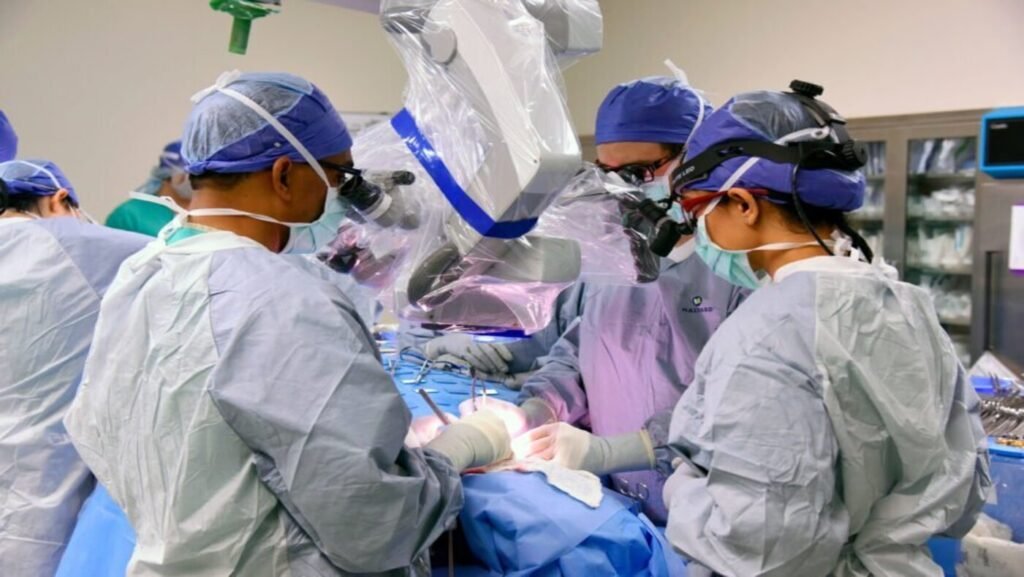
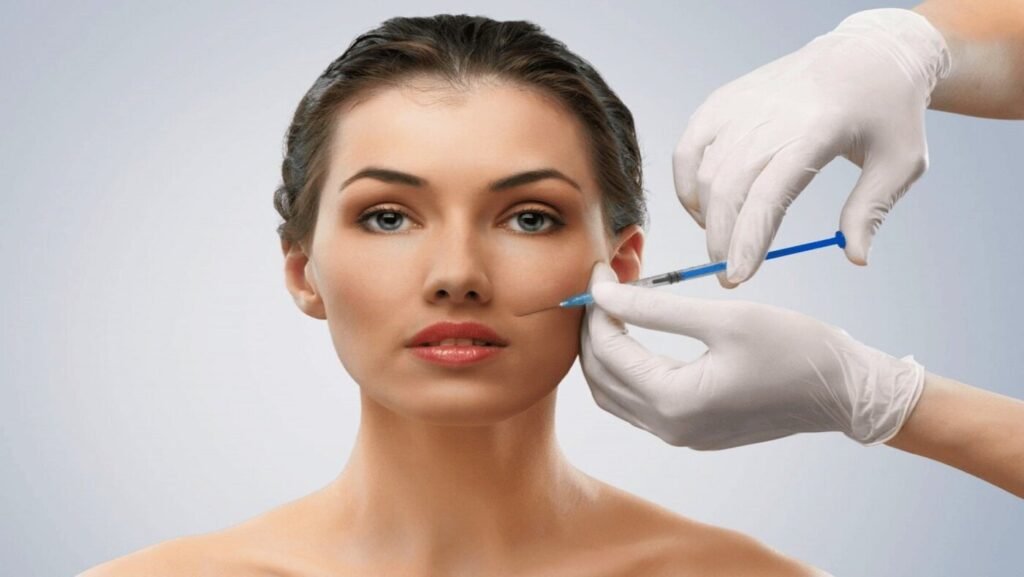
Cosmetic surgery is often associated with physical transformations, but its impact goes far beyond appearance. In 2025, more individuals are recognizing the psychological and emotional benefits that come with enhancing their physical features. From boosting self-confidence to improving mental well-being, cosmetic procedures are changing lives in meaningful ways.
1. Enhanced Self-Confidence and Self-Esteem
One of the most significant psychological benefits of cosmetic surgery is the boost in self-confidence.
Patients who undergo procedures like rhinoplasty, liposuction, or breast augmentation often report feeling more comfortable and confident in their own skin.
Correcting perceived flaws or enhancing features can help individuals feel more attractive, which positively affects their personal and professional lives.
Example:
A patient who once felt self-conscious about a facial scar may feel more empowered and outgoing after a successful scar revision procedure.
2. Improved Mental Health and Reduced Anxiety
Cosmetic surgery can alleviate symptoms of anxiety and depression for individuals struggling with self-image issues.
By addressing long-standing aesthetic concerns, patients experience a reduction in negative self-talk and social anxiety.
Feeling comfortable in one’s appearance can lead to a more positive mindset and greater emotional stability.
Example:
Patients who previously avoided social gatherings due to dissatisfaction with their looks often feel more confident and willing to engage socially after cosmetic enhancements.
3. Positive Impact on Body Image
Cosmetic procedures can significantly improve body image satisfaction, helping individuals feel more aligned with their desired self-image.
Treatments like body contouring, breast lifts, or skin tightening help patients feel more comfortable in their bodies.
This improved body positivity often leads to a healthier relationship with one’s appearance.
Example:
A patient who undergoes abdominoplasty (tummy tuck) after weight loss may feel more confident wearing fitted clothing and participating in activities they once avoided.
4. Motivation for a Healthier Lifestyle
Many patients find that cosmetic surgery serves as a catalyst for adopting healthier habits.
After achieving their desired physical appearance, individuals are often more motivated to maintain their results through proper diet and exercise.
This leads to long-term improvements in both physical and mental well-being.
Example:
A patient who undergoes liposuction may feel inspired to continue a fitness routine to maintain their new body shape.
5. Rebuilding Confidence After Trauma or Illness
Reconstructive cosmetic surgery plays a vital role in helping trauma survivors and post-illness patients regain their confidence.
Procedures such as scar revision, breast reconstruction, or skin grafting help individuals recover their self-image after accidents or medical treatments.
This restoration of normalcy can significantly enhance their emotional recovery and quality of life.
Example:
A breast cancer survivor who undergoes breast reconstruction may feel more confident and emotionally healed after restoring her feminine contours.
6. Empowerment Through Gender-Affirming Surgery
For transgender and non-binary individuals, cosmetic surgery can be life-affirming.
Gender-affirming procedures, such as facial feminization or chest masculinization, help individuals align their appearance with their gender identity.
This leads to greater self-acceptance, reduced gender dysphoria, and improved mental health.
Example:
A transgender woman undergoing facial feminization surgery may experience greater confidence and comfort in her gender presentation.
7. Improved Quality of Life and Social Confidence
Patients who feel more confident in their appearance often experience improved social interactions and overall quality of life.
Cosmetic surgery can eliminate long-standing insecurities, allowing individuals to enjoy life more freely.
This improved confidence can lead to better relationships and career opportunities.
Example:
A person who once avoided public speaking due to dissatisfaction with their smile may feel more confident after a cosmetic dental procedure.
Conclusion:
Cosmetic surgery offers far more than physical changes—it delivers profound psychological and emotional benefits. From enhanced self-esteem to improved social interactions, the positive impact on mental well-being is undeniable. As cosmetic procedures continue to evolve, they will remain a powerful tool for empowering individuals to feel confident, comfortable, and happy in their own skin.