
drtamasukdas.com

surgery

The Real Reason People Want Plastic Surgery

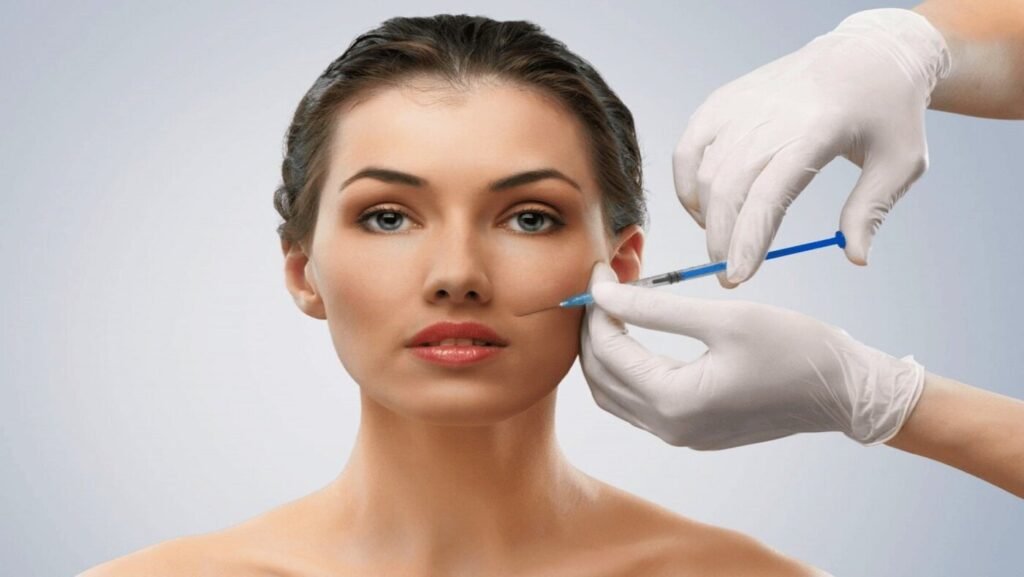
Plastic surgery is often viewed as a way to enhance beauty or reverse ageing—but the reasons people choose it go much deeper. While media and social trends influence decisions, the true motivations are often psychological, emotional, and personal. Understanding these factors can help patients make informed choices and ensure a positive experience. 🔹 1. Boosting Confidence and Self-Esteem Many patients pursue plastic surgery to feel more confident in their appearance. Whether it’s a subtle nose refinement, lip enhancement, or correcting a feature that has caused self-consciousness for years, improving one’s appearance can lead to greater self-assurance in social and professional life. 🔹 2. Correcting Congenital or Injury-Related Issues Not all surgeries are purely cosmetic. Some patients have congenital asymmetries, birth defects, or trauma-related facial or body changes. Plastic surgery in these cases helps restore function and appearance, often improving quality of life and mental well-being. 🔹 3. Social and Career Pressures In some professions or social circles, appearance can play a role in perception and opportunities. While this may sound superficial, patients sometimes seek procedures that allow them to feel competitive or accepted in certain environments. 🔹 4. Anti-Aging and Maintaining Youthfulness Ageing is natural, but many patients want to look as young as they feel. Facelifts, eyelid surgery, or skin treatments can help reduce signs of ageing, promoting a sense of vitality and personal satisfaction. 🔹 5. Psychological Well-Being Studies show that satisfaction with one’s appearance can positively affect mental health. When done responsibly, plastic surgery can improve confidence, reduce self-consciousness, and enhance overall happiness. 🔹 6. Personal Transformation or Milestones Some patients choose surgery to mark life transitions—for example, after weight loss, pregnancy, or reaching a personal goal. These procedures can be symbolic as well as physical transformations. 🧠 Important Considerations Surgery should be a personal choice, not pressure from others. Expectations must be realistic; procedures can enhance but not “perfect” your appearance. Consultation with a qualified surgeon is essential to assess suitability and discuss emotional readiness. 📍 Contact Dr. Tamasuk Das Location: Peerless Hospital, Kolkata, IndiaPhone: +91 9742833898Email: drtamasukdas@gmail.com

The Real Reason People Want Plastic Surgery Read More »

Plastic Surgery,
How Long Does Recovery Take After Rhinoplasty?

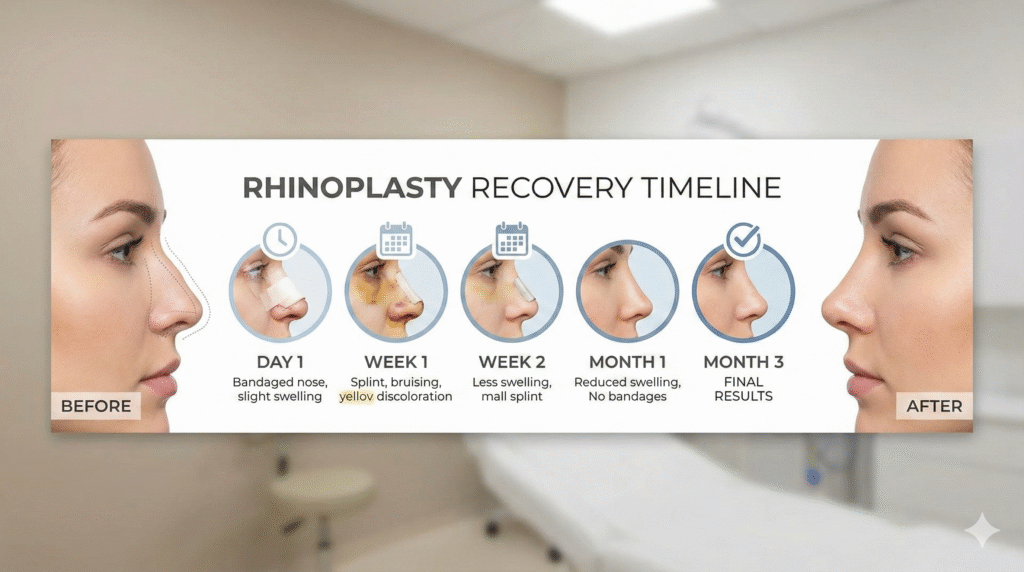
Rhinoplasty, commonly called a nose job, is one of the most popular cosmetic procedures worldwide. Whether for cosmetic enhancement or functional improvement, many patients often ask: “How long will it take to recover?” Understanding the recovery timeline helps you plan your schedule and set realistic expectations. 🔹 Immediate Post-Surgery: Day 1 to Day 3 Swelling and mild bruising around the nose and under the eyes are common. Nasal packing or splints may be in place. Patients are advised to rest, keep the head elevated, and avoid strenuous activity. Tips: Use cold compresses, stay hydrated, and follow your surgeon’s medication instructions. 🔹 First Week: Day 4 to Day 7 Most external splints are usually removed by day 7. Bruising gradually improves. Nasal congestion and minor discomfort are still possible. Lifestyle note: Avoid blowing your nose, bending over, or heavy lifting. 🔹 Weeks 2 to 3 Swelling continues to decrease. Most patients feel comfortable returning to work or school. Light activities are usually allowed, but contact sports should be avoided. Tip: Protect your nose from accidental bumps and direct sunlight. 🔹 First Month: Weeks 4 to 6 Significant swelling subsides. Subtle bruising is often gone. You may start to notice the new shape of your nose more clearly. Note: Internal healing continues; nasal breathing may improve gradually. 🔹 Three Months Post-Surgery About 70–80% of swelling has resolved. Most patients feel comfortable in social settings without noticeable signs of surgery. Final refinements in shape continue subtly. 🔹 Full Recovery: Six to Twelve Months Complete healing of soft tissue and cartilage. Final nose shape and contour are usually apparent. Any residual swelling, especially at the tip, resolves gradually. Important: Healing timelines vary by age, surgical technique, and individual physiology. Always follow your surgeon’s instructions for optimal results. 🧠 Tips for a Smooth Recovery Sleep with your head elevated Avoid heavy lifting or strenuous exercise Protect your nose from sun exposure Follow all medication and care instructions Attend all follow-up appointments 📍 Contact Dr. Tamasuk Das Location: Peerless Hospital, Kolkata, IndiaPhone: +91 9742833898Email: drtamasukdas@gmail.com

How Long Does Recovery Take After Rhinoplasty? Read More »

Surgery, ,

Double Chin Removal: Surgical & Non-Surgical Options

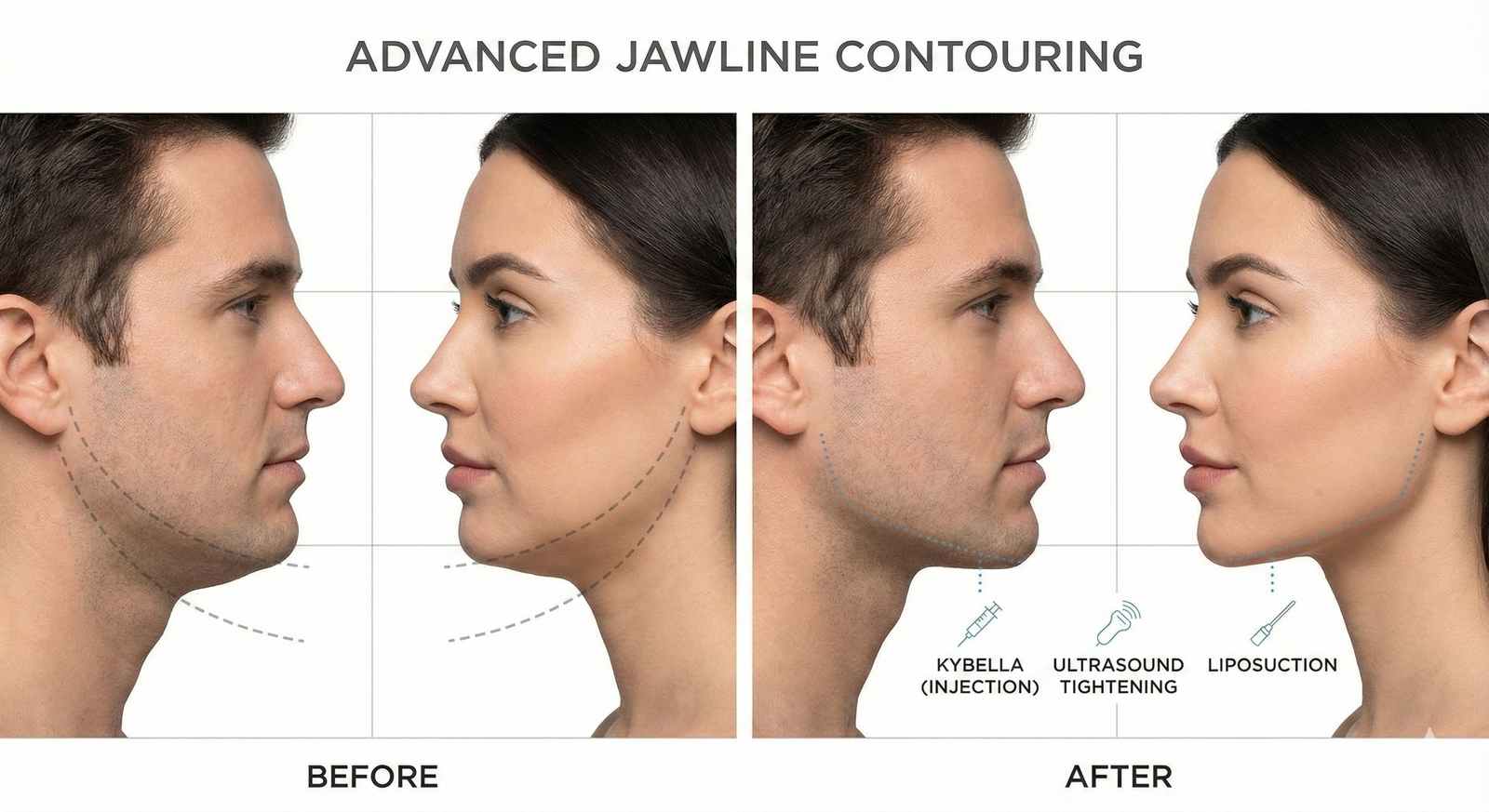
Many people struggle with a double chin even if they are not overweight. Genetics, ageing and stubborn fat deposits under the chin can make the neck look heavy or less defined. The good news is—today we have safe surgical and non-surgical treatments that can help contour the jawline and improve facial definition. 🔍 Why Does a Double Chin Happen? A double chin (also called submental fat) can appear due to: Genetics Ageing Weight gain Hormonal changes Loss of skin elasticity Poor posture Even young individuals with a slim body may sometimes develop a double chin purely due to hereditary factors. ✨ NON-SURGICAL OPTIONS 💉 Injectable Fat Reduction (Kybella-type injections) These injections dissolve fat under the chin gradually.Benefits No surgery Minimal downtime Natural-looking fat breakdown Who it works best forPeople with mild to moderate fat under the chin. 🔊 Ultrasound Skin Tightening (HIFU) Tightens skin and stimulates collagen production. Benefits Non-invasive Skin tightening effect Improvement in loose skin ⚡ Radiofrequency (RF) Heats deeper layers of the skin to reduce fat and tighten tissue. Best forMild sagging or early ageing signs. ✂ SURGICAL OPTIONS 🩺 Liposuction (Chin / Neck Lipo) A small cannula is used to remove fat from beneath the skin.Benefits Permanent fat removal Sharper jawline Quick results Best forModerate to significant fat deposits. 👨‍⚕️ Neck Lift Improves skin laxity and removes sagging skin. Helpful When Loose skin Visible neck folds Age-related sagging Often combined with chin liposuction for best results. 🔄 Which Option Is Best For You? Your treatment depends on:✔ age✔ skin quality✔ fat volume✔ genetics✔ jawline structure✔ expectation A consultation helps decide whether you need: only fat reduction, only skin tightening, or a combination of both. 🕓 Downtime Non-surgical: minimal to none Liposuction: 3–7 days Neck lift: varies depending on extent ⭐ Results Most patients notice: a sharper chin visible jawline contour youthful neck definition more balanced facial profile 🧠 Final Thought Double chin treatment is not only cosmetic—it improves facial harmony and confidence. Whether you choose a non-surgical method or a surgical procedure, correct evaluation and expert planning are essential for natural results. 📍 Contact Dr. Tamasuk Das Location: Peerless Hospital, Kolkata, IndiaPhone: +91 9742833898Email: drtamasukdas@gmail.com

Double Chin Removal: Surgical & Non-Surgical Options Read More »

Plastic Surgery, ,
Rhinoplasty

Rhinoplasty in Kolkata: What to Expect Before and After Nose Surgery

Your nose plays a key role in defining facial balance and confidence. Whether you wish to refine its shape, correct breathing issues, or restore it after injury, rhinoplasty—commonly known as nose reshaping surgery—offers precise and lasting enhancement.At Peerless Hospital, Kolkata, Dr. Tamasuk Das, a skilled plastic and reconstructive surgeon, performs rhinoplasty with artistic precision and patient-focused care to deliver natural, harmonious results. What Is Rhinoplasty? Rhinoplasty is a surgical procedure to reshape or resize the nose for cosmetic or functional reasons.It can help: Correct a crooked or broad nose Refine the nasal tip or bridge Improve breathing difficulties caused by structural problems Restore nasal symmetry after trauma or surgery Before the Surgery – Consultation & Preparation Your journey begins with a detailed consultation.Dr. Tamasuk Das evaluates: Facial proportions and nasal structure Breathing and functional concerns Your expectations and aesthetic goals Pre-surgery guidelines may include: Avoiding smoking and certain medications Undergoing medical tests if needed Discussing anesthesia options and recovery plans Tip: Bring reference photos if you have a specific look in mind—this helps your surgeon align expectations realistically. The Rhinoplasty Procedure Depending on the complexity, rhinoplasty may be open or closed: Closed rhinoplasty: Incisions are hidden inside the nostrils (no visible scars). Open rhinoplasty: A small incision across the columella provides greater access for detailed reshaping. Using meticulous surgical techniques, Dr. Das sculpts bone and cartilage to achieve balance while ensuring structural support and natural breathing function remain intact. After the Surgery – Recovery & Results You can usually go home the same day or after one night of observation.Here’s what to expect: Mild swelling and bruising around the nose and eyes for 1–2 weeks Nasal splint for the first 7–10 days Breathing through the mouth for a few days due to temporary congestion Most patients return to routine work in about 10–14 days. The final contour refines gradually over the next 6–12 months as tissues heal completely. Tips for a Smooth Recovery ✅ Keep your head elevated while resting✅ Avoid glasses or pressure on the nose for a few weeks✅ Protect your nose from accidental bumps✅ Attend all follow-up visits with Dr. Das✅ Be patient—healing takes time, and results improve steadily Why Choose Dr. Tamasuk Das for Rhinoplasty in Kolkata MCh (Plastic & Reconstructive Surgery) from RG Kar Medical College Fellowship in Aesthetic Medicine (FAM) and Microvascular Surgery Personalized treatment ensuring natural-looking results Peerless Hospital’s advanced surgical facilities Compassionate, honest consultation—your goals come first Conclusion A well-performed rhinoplasty is not about changing your identity—it’s about enhancing harmony and confidence.With expertise, artistry, and precision, Dr. Tamasuk Das helps you achieve results that look beautifully natural and feel authentically you. 📍 Book a Consultation TodayDr. Tamasuk Das – Consultant Plastic Surgeon, Peerless Hospital, Kolkata✨ Transform your appearance with safe, advanced rhinoplasty techniques tailored to your face.

Rhinoplasty in Kolkata: What to Expect Before and After Nose Surgery Read More »

Plastic Surgery, ,

Advances in Aesthetic Surgery: What’s New in 2025/2026

The field of aesthetic and reconstructive surgery keeps moving fast — and 2025–2026 is showing particularly rapid innovation. Patients can expect safer, more natural-looking results with shorter downtimes thanks to improvements in imaging/planning, energy-based (non-invasive) devices, biologic/regenerative approaches, and patient-specific implants. Below is a clinician-friendly yet patient-accessible summary you can publish on your blog. Quick takeaway (TL;DR) 1. AI, 3D imaging and patient-specific implants 3D facial and body scanning combined with AI-driven simulation is no longer gimmickry — it’s becoming part of routine surgical planning. Surgeons can produce patient-specific implants and surgical guides that match anatomy precisely, shortening OR time and improving fit. Research and reviews in 2024–2025 show growing clinical application in facial trauma, reconstructive cases, and personalized aesthetic implants. Why it matters to patients: more predictable outcomes, fewer intraoperative adjustments, and faster functional recovery. 2. Biologics & regenerative medicine: smarter fat grafting, PRP and adipose-derived therapies Autologous fat grafting remains a mainstay for facial and body contouring. Newer protocols combine fat with platelet-rich plasma (PRP) or process adipose-derived cell fractions to boost graft survival and regenerative effects. Recent meta-analytic data in 2025 suggest PRP-enhanced fat grafts can increase fat retention and speed recovery. Clinical papers also show regenerative fat applications in scar modulation and soft-tissue reconstruction. Why it matters to patients: longer-lasting, more natural volume restoration plus potential improvement in skin quality. 3. Non-surgical lifts & body contouring are improving — HIFU, RF, and combination devices High-Intensity Focused Ultrasound (HIFU) and next-generation radiofrequency (RF) devices (including micro-needling + RF hybrids) are supported by growing evidence for skin tightening and focal fat reduction. Systematic reviews across 2024–2025 report consistent safety profiles and measurable efficacy when patient selection and protocols are optimized. These technologies are filling the gap for patients who want meaningful results without surgery. Why it matters to patients: less downtime, earlier return to activities, and incremental improvements that can be repeated for maintenance. 4. Threads, fillers and a move toward subtler, structural approaches The trend continues away from “overfilled” looks toward structural rejuvenation — strategic small-volume fillers, fat grafting, and absorbable thread lifts to restore support and contour rather than simply adding volume. Injectors are also refining techniques (microcannulas, layered placement) to reduce complications and achieve more natural results. Professional societies and trend reports for 2025 emphasize naturalness and individualized plans. 5. 3D printing & intraoperative/on-demand fabrication Beyond implants, surgeons and researchers are experimenting with intraoperative bioprinting and patient-matched surgical aids — from printed scaffolds to custom titanium pieces for complex reconstructions. Early translational work (and case reports) shows promise for faster, better-fitting reconstructions in trauma and oncologic cases. Why it matters to patients: solutions for complex anatomy that would previously need multiple staged operations. 6. Real-world trend: the GLP-1/weight-loss effect on aesthetic practice The widespread use of GLP-1 weight-loss medications (e.g., Ozempic, Wegovy, Mounjaro) has changed referral patterns: many patients lose weight rapidly and then require contouring procedures for redundant skin. Surgeons are adapting by refining timing, nutrition assessment, and wound-care protocols to reduce complications in this population. 7. Safety, regulation & evidence: the cautious optimism Innovations are exciting, but the field is also emphasizing standardized protocols, rigorous outcome tracking, and long-term safety data. Some novel biologics still need standardized processing and randomized trials; energy-device settings and patient selection are active areas of research to reduce variability in outcomes. Always look for board-certified surgeons and clinics that publish outcomes and follow evidence-based protocols. 8. How to talk to your surgeon about these advances If a patient asks about new tech during consultation, recommend they discuss: 9. What to expect in 2026 Final thoughts 2025–2026 is a period of pragmatic innovation: technologies that genuinely add predictive power, durability, and safety are moving from research into regular practice — but patient selection, surgeon skill, and realistic expectations remain the most important determinants of a good outcome. For patients, the key is to choose a surgeon who both understands the latest options and knows when not to use them.

Advances in Aesthetic Surgery: What’s New in 2025/2026 Read More »

Aesthetic Surgery, Surgery, , ,

Preparing for Surgery: Lifestyle & Mindset Tips

Undergoing cosmetic or reconstructive surgery can be a life-changing experience—but the journey begins well before you enter the operating room. Preparing both your body and mind helps you heal faster, lowers complications, and boosts your confidence throughout the process. Here are expert-recommended lifestyle and mindset tips from Dr. Tamasuk Das to help you feel ready, relaxed, and resilient before surgery. 🧘‍♂️ 1. Cultivate a Calm, Positive Mindset Why it matters: Studies show that anxiety and negative thinking before surgery can affect post-op recovery, pain levels, and even wound healing. Tips: Ask questions. The more you understand the procedure, risks, and recovery, the more in control you’ll feel. Visualize success. Imagine yourself after a successful recovery—healthier, more confident, and satisfied. Practice relaxation techniques: Deep breathing, meditation, or yoga can help calm pre-surgery nerves. “A calm mind supports a healthy body. We guide patients through the emotional side of surgery too.”— Dr. Tamasuk Das 🥗 2. Nourish Your Body with the Right Diet Why it matters: Your body needs vitamins and protein to build new tissue and repair wounds post-surgery. Tips: Increase protein intake: Lean meats, lentils, eggs, and nuts support tissue healing. Add vitamin-rich foods: Especially Vitamin C (oranges, amla), Vitamin A (carrots, spinach), and Zinc (pumpkin seeds, whole grains). Avoid crash diets: Being undernourished can slow recovery and increase complications. 🚭 3. Stop Smoking and Limit Alcohol Why it matters: Smoking reduces oxygen supply to tissues, delays healing, and raises infection risk. Alcohol can interfere with anesthesia and medications. Tips: Stop smoking at least 2–4 weeks before surgery. The longer, the better. Avoid alcohol for at least 72 hours before your procedure. 💊 4. Disclose Medications, Supplements, and Allergies Why it matters: Some medications (like blood thinners or herbal supplements) can interfere with surgery or healing. Tips: Share your full list of medications and supplements during your consultation. Avoid over-the-counter anti-inflammatories like ibuprofen unless cleared by your surgeon. Stop herbal remedies like ginseng, garlic, or ginkgo unless advised otherwise. 💤 5. Sleep Well—It’s Your Superpower Why it matters: Sleep regulates hormones, boosts immunity, and reduces inflammation—making it a natural healing tool. Tips: Try to get 7–8 hours of uninterrupted sleep daily in the week before surgery. Create a relaxing bedtime routine (e.g., reading, herbal tea, no screens after 9 PM). 📋 6. Organize Your Recovery Space Why it matters: Having everything ready at home eases post-op stress and lets you focus on rest. Tips: Set up your bed/chair in a clean, quiet spot. Stock up on soft pillows, extra sheets, prescribed medications, and easy-to-prepare meals. Arrange for help with chores, pets, or childcare for the first few days. 👨‍⚕️ 7. Trust the Process—and Your Surgeon Why it matters: Your confidence in the surgeon and procedure greatly affects how you feel before and after. Tips: Attend your pre-surgical consultation prepared. Bring your doubts, photos, or expectations. Follow all pre-op instructions provided by Dr. Das and his team. Remember: recovery is a process, not a race. 🧠 Final Thoughts Surgery is more than a physical event—it’s a mind-body experience. By taking proactive steps before your procedure, you’ll not only heal faster but also feel more empowered throughout the journey. Dr. Tamasuk Das and his team are here to guide you every step of the way, ensuring your preparation is smooth, safe, and supportive. Call to Action:Ready for surgery or still exploring your options? Book a consultation with Dr. Tamasuk Das today for expert guidance tailored to your needs.

Preparing for Surgery: Lifestyle & Mindset Tips Read More »

Surgery, , , ,